No products in the cart.
Yirgacheffe: The Floral Gateway Coffee
Intro: If there’s one coffee that makes first-time black coffee drinkers go, “Wait — coffee can taste like flowers?” it’s Yirgacheffe. This little town in Ethiopia has changed how people think about coffee, one cup at a time.
Origin Story: From Monastery to World Stage
Yirgacheffe started as a small town in Ethiopia’s Sidamo province. Back in the day, European missionaries planted coffee trees here. Later, local farmers and cooperatives took over.
In 1995, when Ethiopia redrew its administrative regions, Sidamo stopped being an official province. Yirgacheffe got folded into the Gedeo Zone. But coffee traders noticed something: beans from the Yirgacheffe area had this very specific white floral note, plus lemon and citrus that people absolutely loved.
In 2009, the Ethiopia Commodity Exchange started certifying certain regions. They basically split coffees into two categories: “has that classic Yirgacheffe flavor” and “doesn’t.” Which means — the Yirgacheffe you’re drinking today might not actually be from “Yirgacheffe” the place. Kind of like how Yonghe soy milk isn’t necessarily from Yonghe.
Today, Yirgacheffe has tons of famous cooperatives: Kochere, Worka, Gotiti, Chelelektu, Konga — names that specialty coffee lovers know well.
Coffee Knowledge: What’s G1 and Why Washed?
【What Does G1 Mean?】
Ethiopia grades coffee from G1 to G5 based on defect count. G1 is the top tier. The rule: in 300g of green beans, G1 can’t have more than 3 major defects. G2 allows 4-12.
Heads-up: G1 vs G2 is about green bean defects. If a roaster does serious defect sorting before and after roasting, a G2 can absolutely hang with a G1 in the cup.
【Why Washed?】
Yirgacheffe’s bright floral thing? Thank the washed process — which Ethiopia actually imported from Central and South America in 1972.
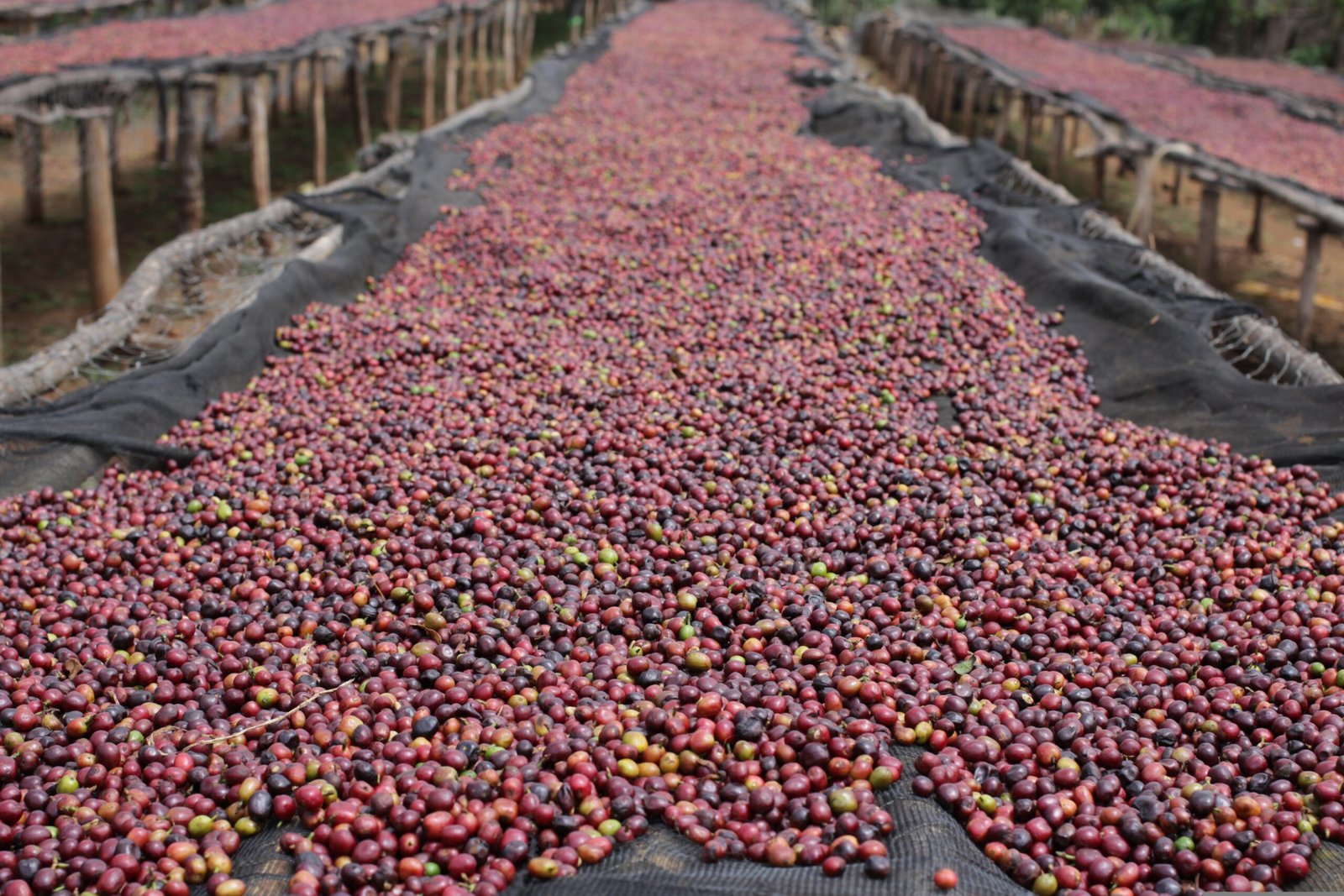
Washed process: After harvest, cherries get sorted to remove bad ones. Then they’re pulped (skin and fruit removed) and put in clean water to ferment, which breaks down the sticky mucilage. Then they’re washed again and dried.
Why washed works: It strips away extra fruit sugars, letting the bean’s pure, clean flavor and bright acidity shine through. Washed Yirgacheffe gives you this super clean, transparent cup — you can really taste the bean quality.
Flavor Profile
Classic washed Yirgacheffe: On the nose, fresh lemon peel, orange, orange blossom, a little honey sweetness. Brew it, and jasmine and black tea notes come out. In the cup, it’s bright but soft — lemon and citrus up front, then honey sweetness and florals, finishing clean with black tea.
“Florals explode in your mouth” — that’s Yirgacheffe.
Brew Guide: How to Brew Yirgacheffe at Home
Our Yirgacheffe is medium roast G1 washed. Here’s how we brew it:
【Standard Pour-Over (V60)】
Dose: 15g
Ratio: 1:15 (225g water)
Water temp: 91-92℃
Grind: Medium-fine (fine sugar texture)
Method: 3-pour
First: 30g water, 30-sec bloom
Second: Pour to 125g (around 1 min total)
Third: When water drops to 2/3, pour to 225g (around 1:35)
Total time: 2:00-2:10
【Iced Pour-Over (Summer Special)】
Want iced coffee without losing that floral thing? Try this:
Dose: 15g
Ice: 75g (in the server)
Hot water: 160g (1:11 ratio)
Water temp: 91-93℃
Grind: Finer than usual
Method:
First: 30g water, 30-sec bloom
Second: Fast spiral pour to 90g (total 120g on scale), stir 5 times around the wall with a spoon
Third: When water drops, gentle pour remaining 45g
Total time: About 1:55-2:05
What you get: peach, orange — bright and sweet, but chilled. Like floral iced tea. So good.
Final Thoughts
Yirgacheffe’s magic is simple: it shows people that coffee isn’t just “bitter.” It can be floral, citrusy, honey-sweet, tea-like. It’s a gateway to specialty coffee — and also just a really good everyday cup.
Remember your first Yirgacheffe moment? Drop a comment and tell us your “gateway” story!