No products in the cart.
Geisha: The Holy Grail of Specialty Coffee
Intro: In the world of specialty coffee, one name stands above the rest — Geisha. From the forests of Ethiopia to the mountains of Panama, it’s become the holy grail for coffee lovers everywhere. Let’s talk about the coffee that changed everything.
Origin Story: From Ethiopian Forest to Panamanian Legend
Geisha shares its name with the Japanese entertainers, so sometimes people call it “艺伎咖啡.” But the name actually comes from a town in Ethiopia called Gesha.
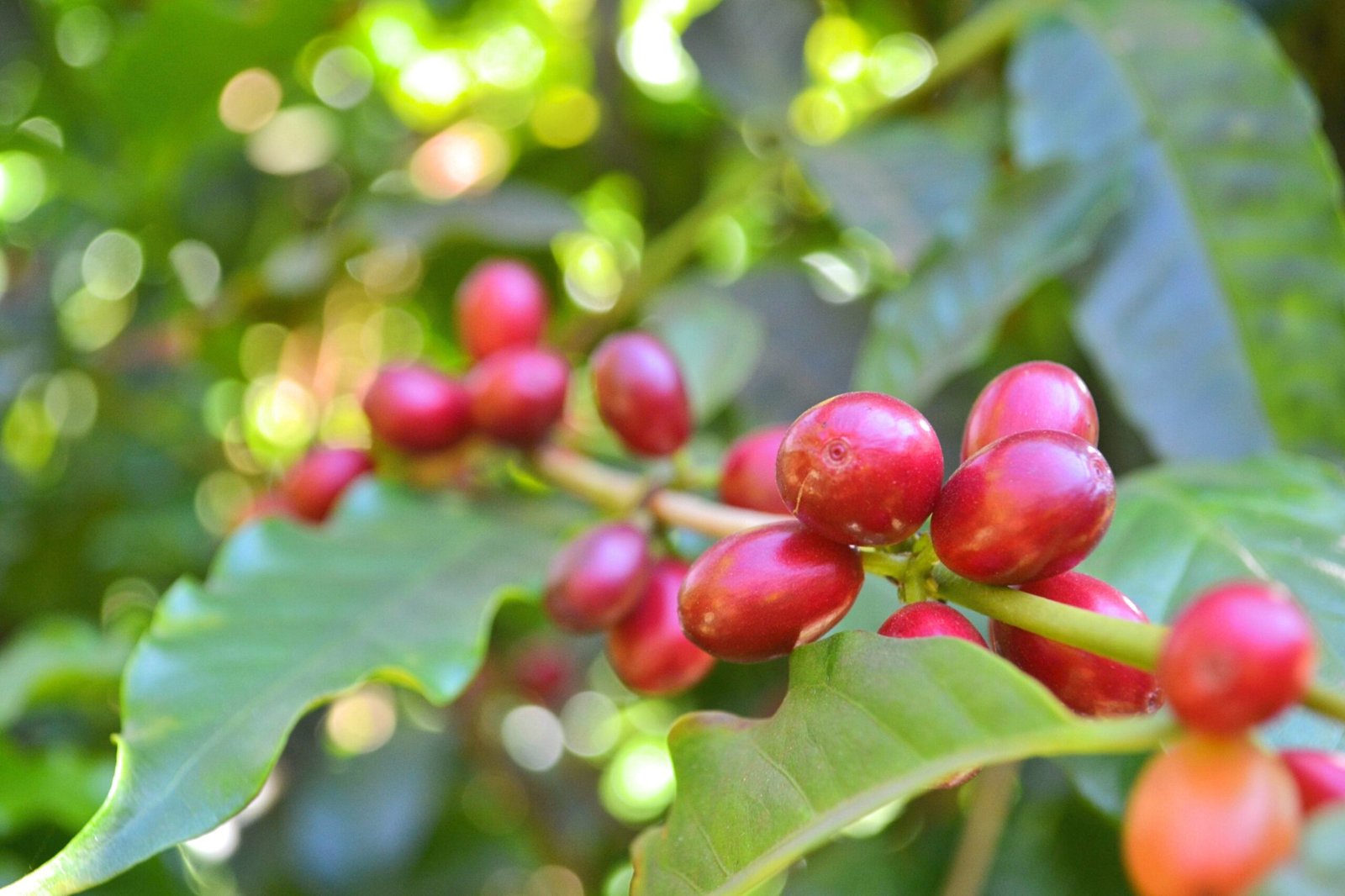
The Geisha variety originated in the wild forests of western Ethiopia. It made its way to Costa Rica, then to Panama — and in the highlands of Boquete, it finally found its home.
In 2004, a Geisha from Hacienda La Esmeralda showed up at the Best of Panama competition and blew everyone away. Judges couldn’t believe what they were tasting — floral notes, citrus, things they’d never experienced in coffee before. That’s when Geisha became a thing. Now it’s the holy grail.
Our Geisha comes from Boquete in Chiriquí, Panama, at 1600-1800 meters. Cloud forests, volcanic soil, winds from both the Pacific and Atlantic — perfect microclimate for Geisha to do its thing.
Coffee Knowledge: Why Is Geisha So Expensive?
People always ask: why does Geisha cost so much? A few reasons:
1. Low yield: Geisha is picky. Won’t grow just anywhere. Needs specific altitude and microclimate to show those famous floral notes. You don’t get as much as regular varieties.
2. Labor-intensive: Cherries ripen at different times, so you gotta hand-pick multiple passes. Labor costs add up.
3. Crazy high scores: Geisha dominates the Best of Panama auctions every year. Prices keep breaking records. Regular Geisha is already rare; auction-lot Geisha is practically impossible to find.
4. Flavor you can’t get anywhere else: That jasmine and bergamot thing? Other beans just don’t do that.
【Geisha Grading】
Top Geisha farms (like Gesha Village) have strict internal grading:
Auction Lot: Like 3.7% of yearly production. The absolute best.
Gold Label: Around 5%. What competition brewers pick.
Red Label: Fully traceable, classic Geisha profile.
Green Label: Single-origin, single-variety, but slightly less intense.
Flavor Profile
Our Panamanian natural Geisha is light roast to keep all those delicate notes intact:
Dry aroma: Jasmine, bergamot, peach, hint of honey
Wet aroma: Mango, passion fruit, lychee — tropical explosion, plus orange blossom and rose
In the cup: Elegant like floral tea. Starts with bergamot and jasmine, moves into mango-passion fruit juice, finishes with lychee and honey. Clean. Lingers forever.
Brew Guide: How to Brew Geisha at Home
Geisha is delicate. Brew it with care.
【Pour-Over (V60)】
V60’s cone shape really brings out those layers.
Dose: 15g
Ratio: 1:15 (225g water)
Water temp: 90-91℃ (light roast likes it a little cooler)
Grind: Medium-fine
Method:
First: 30g water, 30-sec bloom
Second: Slow spiral to 125g
Third: When water drops, pour to 225g
Total time: About 2 minutes
【Tips】
Geisha’s aromatic compounds are abundant but fragile. Keep in mind:
Don’t go too hot — 90-91℃ is the sweet spot
Pour gently, avoid aggressive agitation
If flavors feel muted, try grinding a bit finer
Some baristas adjust grind size to balance flavor and body. Finer grind = more extraction, more body.
Final Thoughts
Some say you haven’t really entered specialty coffee until you’ve had Geisha. This Panamanian legend deserves a quiet morning, your full attention, and a slow, mindful sip.
Had Geisha before? What’s your favorite note? Drop a comment and share your Geisha story!